Why homeowners can expect a big out-of-pocket expense to replace their roof.
In Colorado, the “math” on roofs has stopped working for many insurers. As a result, carriers have dramatically increased wind and hail deductibles on homeowners policies.
On top of that, many companies have changed how they pay roof claims. For years, most carriers offered full replacement cost coverage. More and more, that’s being replaced with scheduled roof coverage or actual cash value (ACV)—both of which can leave homeowners with significant out-of-pocket costs when a roof needs to be replaced.
The reality is this: the days of getting a new roof and only paying a reasonable deductible are largely coming to an end. Not every carrier is there yet, but in my decades of experience, once one company makes a change like this, the rest tend to follow.
My expectation is that within the next year or so, most carriers will require at least a 2% wind/hail deductible based on the dwelling limit, and many will move toward scheduled payouts—if not ACV—on roof replacements.
1) Hail + wind losses got too frequent and too expensive
Colorado gets hit with severe convective storms (hail/wind) often enough that roof claims became a dominant driver of homeowners losses in many years. The Rocky Mountain Insurance Information Association (RMIIA) notes $5B+ in insured hail damage in Colorado over the last 10 years—that’s an enormous, recurring loss load that has to be priced somehow. Nationally, severe convective storm losses have been hitting record levels, which feeds directly into property pricing pressure.
2) Roof replacement costs inflated fast (materials + labor + code/complexity)
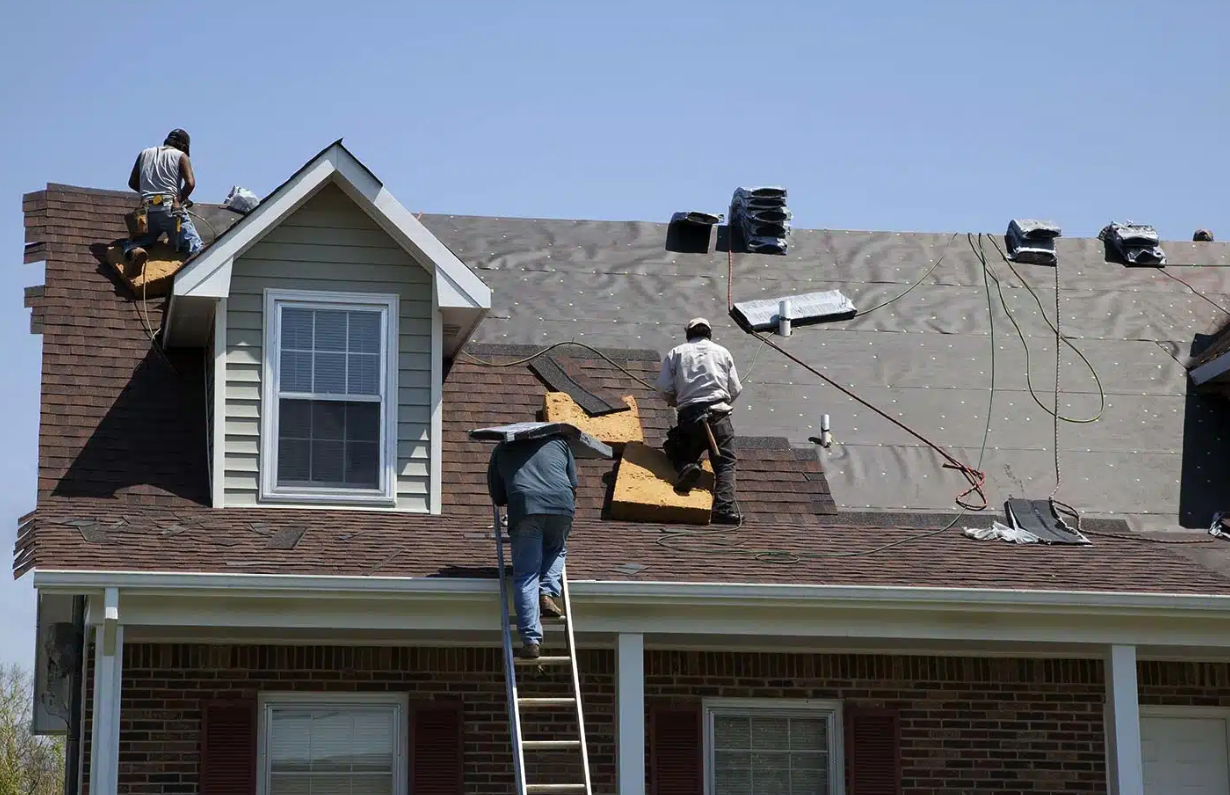
Even when the storm frequency is similar, the cost per roof claim has risen—labor, materials, tear-off/disposal, upgrades, and sometimes code requirements. Verisk has highlighted how large roof-claim costs have become (tens of billions nationally) and how roof condition/material/peril exposure are driving that.
3) Reinsurance got pricier, so insurers shifted more risk back to homeowners
Insurers buy reinsurance to protect themselves from catastrophe volatility. After big loss years, reinsurance prices and terms tighten, and insurers respond by:
- raising premiums,
- reducing eligibility,
- adding wind/hail percentage deductibles, and
- changing roof loss settlement (roof schedules / ACV endorsements).
This “pass some volatility back to the policyholder” dynamic is widely reported as a major driver of today’s property insurance changes.
4) Wind/hail deductibles are a blunt but effective loss-control lever
A separate wind/hail deductible (often 1%–5% of Coverage A) does two things:
- reduces small-to-mid claim frequency (people won’t file borderline claims as often),
- caps insurer loss volatility on the most common catastrophe peril in the state.
5) “Scheduled roof payments” (roof payment schedules / ACV roof endorsements)
These endorsements change the roof settlement from “pay replacement cost for a new roof” to something closer to “pay a percentage based on roof age/condition” or “pay ACV for roof surfacing.” That reduces the insurer’s exposure to the most claimed-and-costly component of the home.
6) Colorado’s market stress pushed more availability constraints
Colorado has seen rising premiums and nonrenewals, and the state created a FAIR Plan as a backstop for people who can’t find coverage in the private market (launched in 2025). That’s a strong signal the private market has been under strain.
What this means for you (practically)
- A 2% wind/hail deductible on a $500,000 dwelling limit is $10,000 out of pocket before insurance pays anything.
- A roof schedule/ACV roof endorsement can turn what used to be a mostly-covered roof replacement into a large homeowner expense—especially once the roof is 10–15+ years old.
How to shop smarter in Colorado right now
- Ask for the exact wind/hail deductible (1%, 2%, 5%?) and whether it’s minimum/maximum capped.
- Ask whether the roof is RCV (replacement cost) or ACV/scheduled for wind/hail roof surfacing—and get the endorsement name.
- If you’re replacing a roof anyway, price out impact-resistant options; sometimes the premium credits and improved insurability matter more than the upfront delta (varies by carrier).